
SOCIAL

リソース
Resources
Building Impact Investing Ecosystems in Africa through a Japan-led Partnership
開催レポート
インパクト投資フォーラム
English
—Insights from a Public-Private Co-Creation Forum—
■ Overview
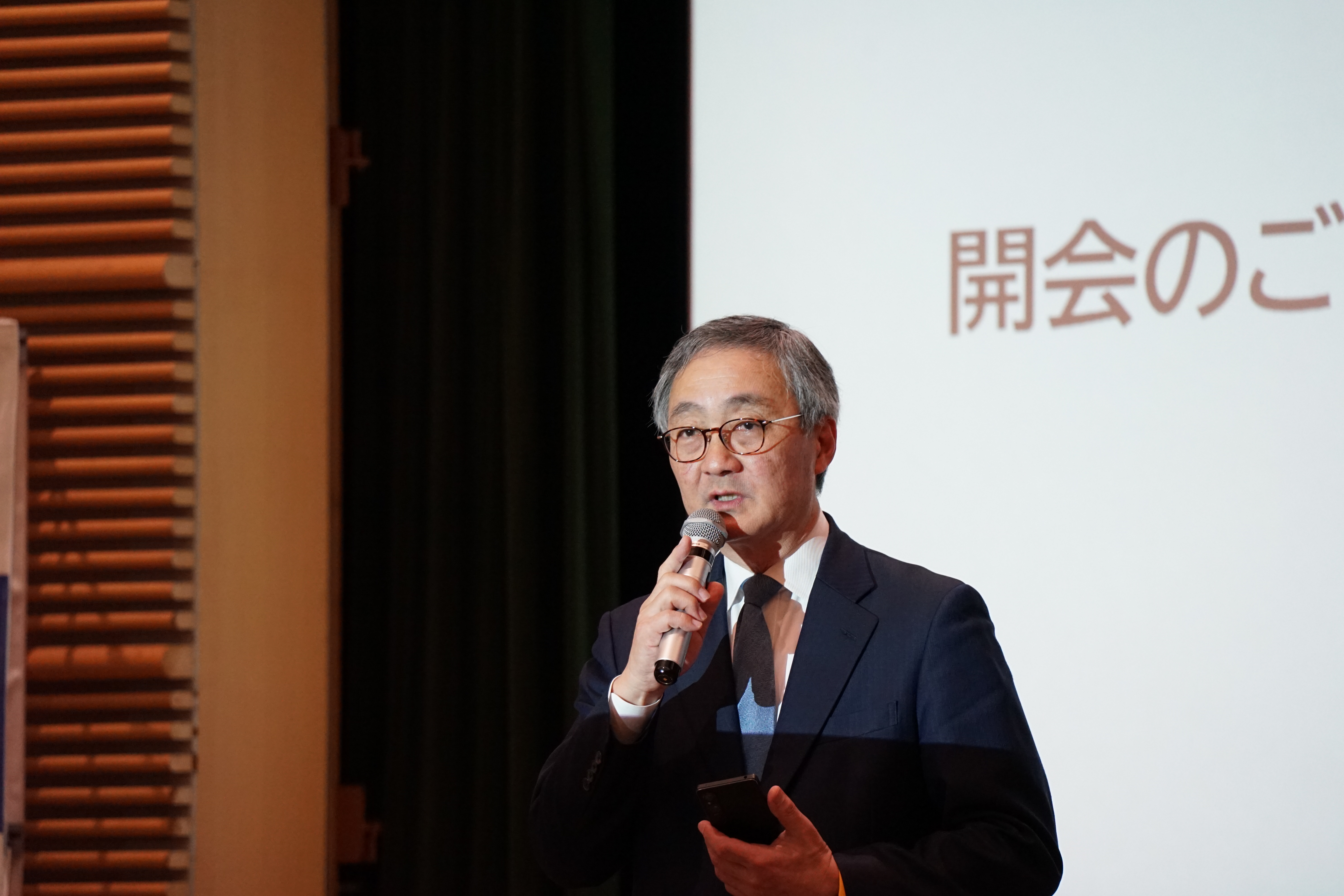
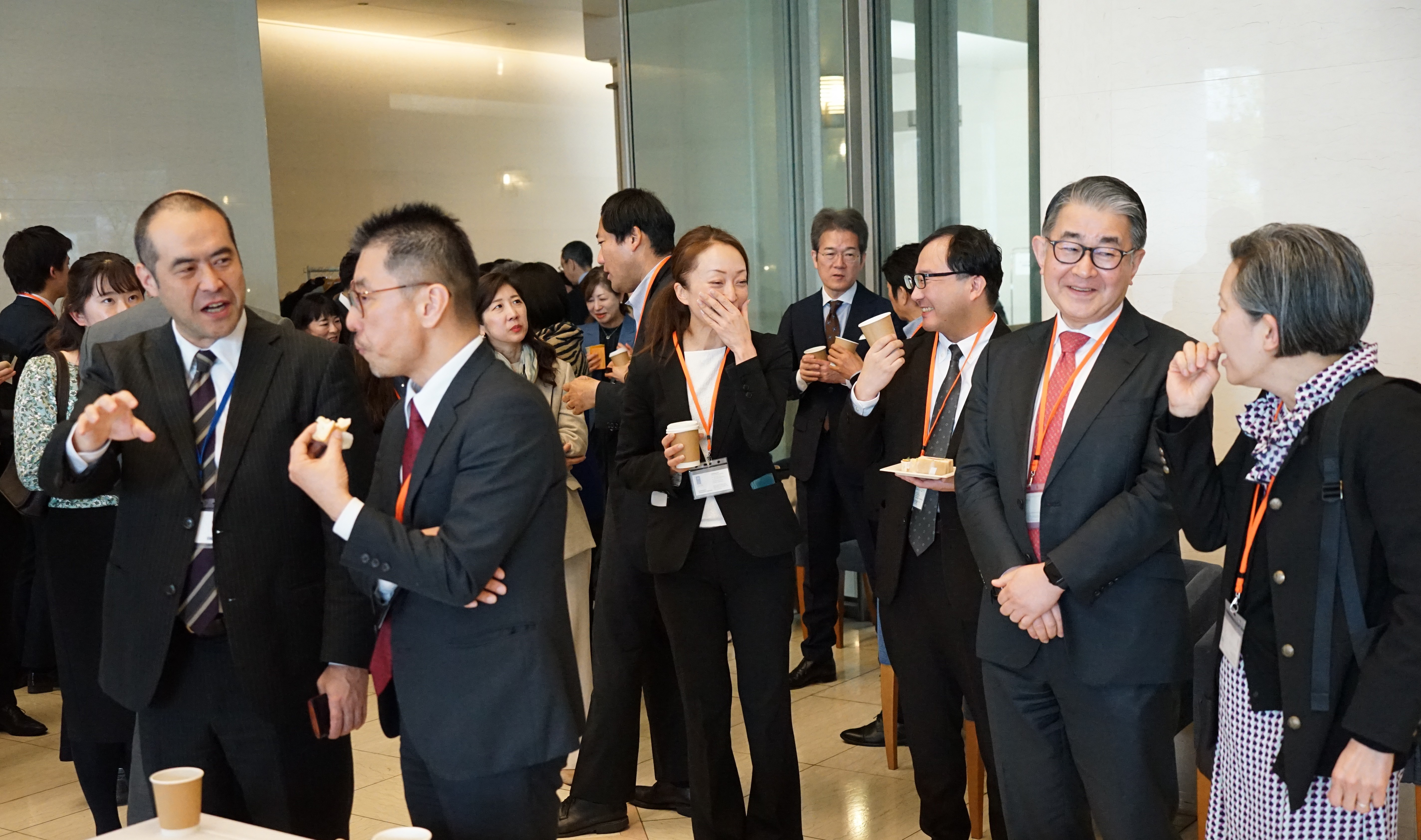
GSG Impact JAPAN National Partner (hereinafter “GSG Impact JAPAN”) held the “Global South Public-Private Co-Creation Impact Investment Forum” on March 23, 2026. The forum was conducted with the support of the Japan International Cooperation Agency (JICA) and AVPN, and in cooperation with the Japan Impact-driven Financing Initiative. Approximately 100 leaders from diverse sectors—including government, international organizations, financial institutions, private companies, startups, and foundations—gathered to engage in active discussions on the potential of impact investment through public-private collaboration to achieve both social impact and economic growth in the Global South.
The background of this forum lies in initiatives to strengthen the impact investing ecosystem in six African countries—Ghana, Zambia, Ethiopia, Côte d’Ivoire, Senegal, and Burkina Faso—implemented under the partnership between the Ministry of Foreign Affairs of Japan and GSG Impact. Through the development of policy roadmaps, capacity building, and innovative financial schemes for small and medium-sized enterprises (SMEs), efforts are underway to accelerate the mobilization of private capital and improve the investment environment.
This article outlines the background behind Japan’s efforts to build a foundation for impact investing in Africa, the concrete progress made through collaboration with the Ministry of Foreign Affairs, and the key points discussed at the forum.
■ Background and Objectives of the Partnership with the Ministry of Foreign Affairs
In the Global South, demand for financing is expanding in areas such as climate change, energy, healthcare, and financial inclusion, while SMEs in emerging and developing countries face an annual financing gap of approximately USD 5 trillion. In Africa in particular, attracting private capital to simultaneously address social challenges and achieve economic growth has become a critical issue.
Against this backdrop, Japan has been strengthening the role of ODA as a “catalyst” to mobilize private capital, including through the 2025 amendment of the JICA Act. Africa is becoming not only a target for development cooperation but also an important partner for future growth opportunities and addressing global challenges.
However, investment overseas, particularly in Africa, has been limited due to a lack of information, risk perceptions, and limited connections with local stakeholders.
In this context, what becomes important is to establish the ecosystem necessary for impact investing. The partnership with the Ministry of Foreign Affairs has been working precisely toward this goal by organizing local policy environments, investment opportunities, and capital mobilization mechanisms, while building a foundation that connects Japan with local and international stakeholders.
■ Key Activities and Progress under the Partnership
This partnership promotes the development of an impact investing ecosystem from the perspectives of knowledge, policy, and market.
Knowledge:
In the SME finance sector, a guide was published at the Fourth International Conference on Financing for Development (FfD4) in July 2025, outlining the concept of “secondary mobilization,” a new approach for development finance institutions (DFIs) to attract private capital. In addition, a “Community of Practice (CoP)” has been established to share practical investment approaches and facilitate knowledge accumulation and dissemination among stakeholders.
Policy:
In Zambia, Burkina Faso, Senegal, Ethiopia, and Côte d’Ivoire, policy roadmaps for promoting the impact economy are being developed in collaboration with local think tanks and consultants. Capacity building is also being advanced through human resource development and network formation. At the “GSG Global Leadership Meeting (GLM)” held in Kyoto in May 2025, 14 African leaders participated with support from this initiative, learning from Japan’s ecosystem and strengthening interregional collaboration. Furthermore, at the “Africa Impact Summit” held in Accra in June of the same year, more than 500 stakeholders gathered to discuss concrete approaches to capital mobilization, including the mobilization of local pension funds.
Market:
Concrete progress in market development for capital mobilization is being observed across countries. Burkina Faso officially joined GSG as a National Partner in May 2025, advancing the formation of its domestic ecosystem. In Côte d’Ivoire and Ethiopia, the first “National Impact Dialogues” were held in September of the same year, with participation from the Japanese Embassy and JICA, establishing a foundation for public-private dialogue (with over 150 and 170 participants, respectively). Furthermore, in Ghana and Zambia, the development of concrete financial schemes—such as the “Ci-Gaba Fund” and the “SBGI (Small Business Growth Initiative)”—aimed at attracting private capital is underway. At TICAD9 held in Yokohama, discussions with JICA, the Financial Services Agency, and private financial institutions reaffirmed the Japanese government’s commitment to investment opportunities for African SMEs and advanced discussions toward co-investment.
■ Overview of the “Global South Public-Private Co-Creation Impact Investment Forum”
Against this backdrop, the “Global South Public-Private Co-Creation Impact Investment Forum” was held in Tokyo on March 23, 2026, focusing on how to expand impact investing from Japan into the Global South, particularly Africa.
The forum highlighted that market creation and ecosystem development are essential for promoting impact investing through public-private collaboration to achieve both social impact and economic growth in the Global South. In particular, it was recognized that mobilizing private capital through public-sector risk sharing and trust-building, as well as addressing gaps in information and experience, are key to expanding investment.
In the opening remarks, Mr. Ken Shibusawa, GSG Impact JAPAN National Partner Chair, emphasized the importance of investment in the Global South for Japan’s future and referred to ongoing ecosystem-building efforts in six African countries under the partnership with the Ministry of Foreign Affairs.
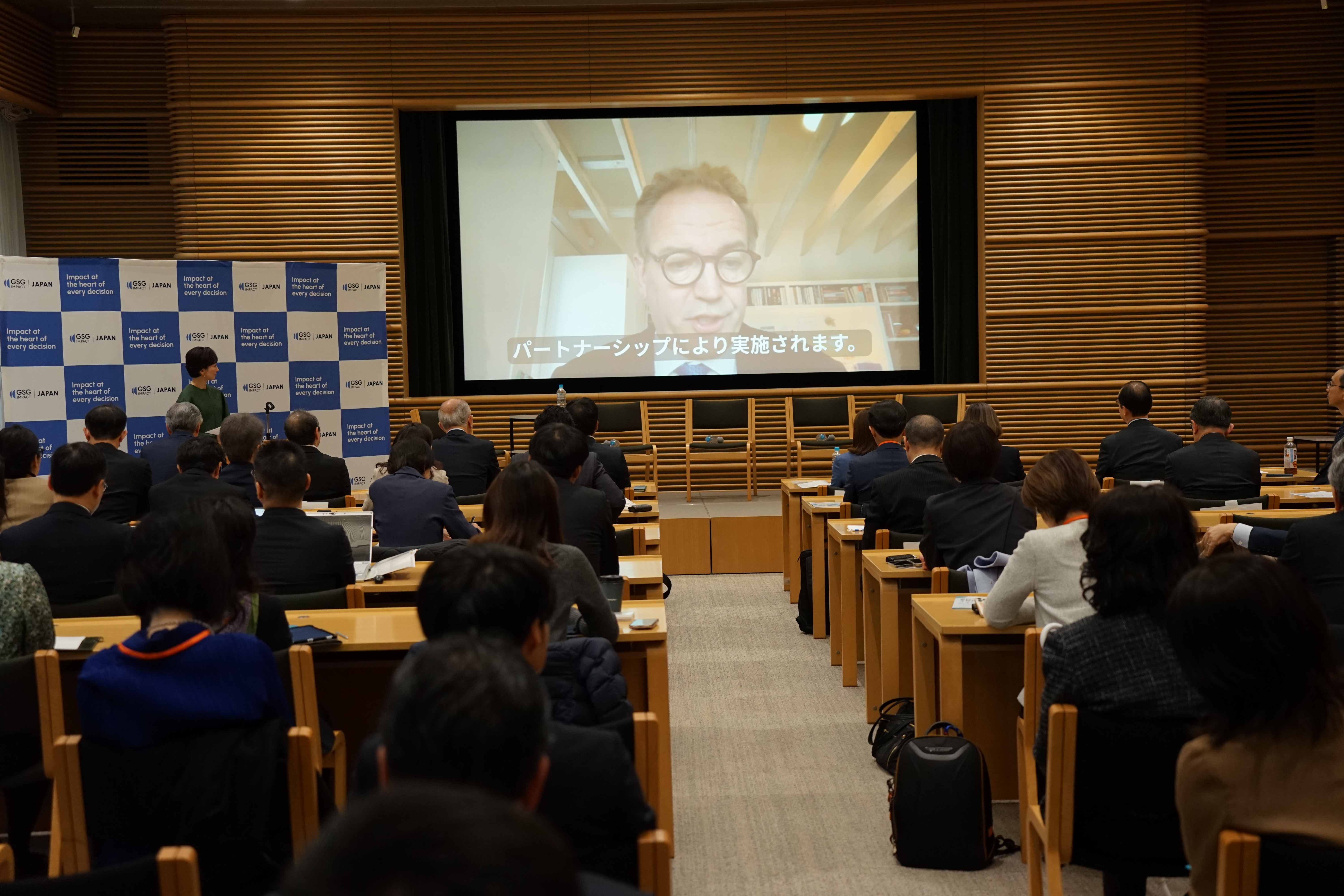
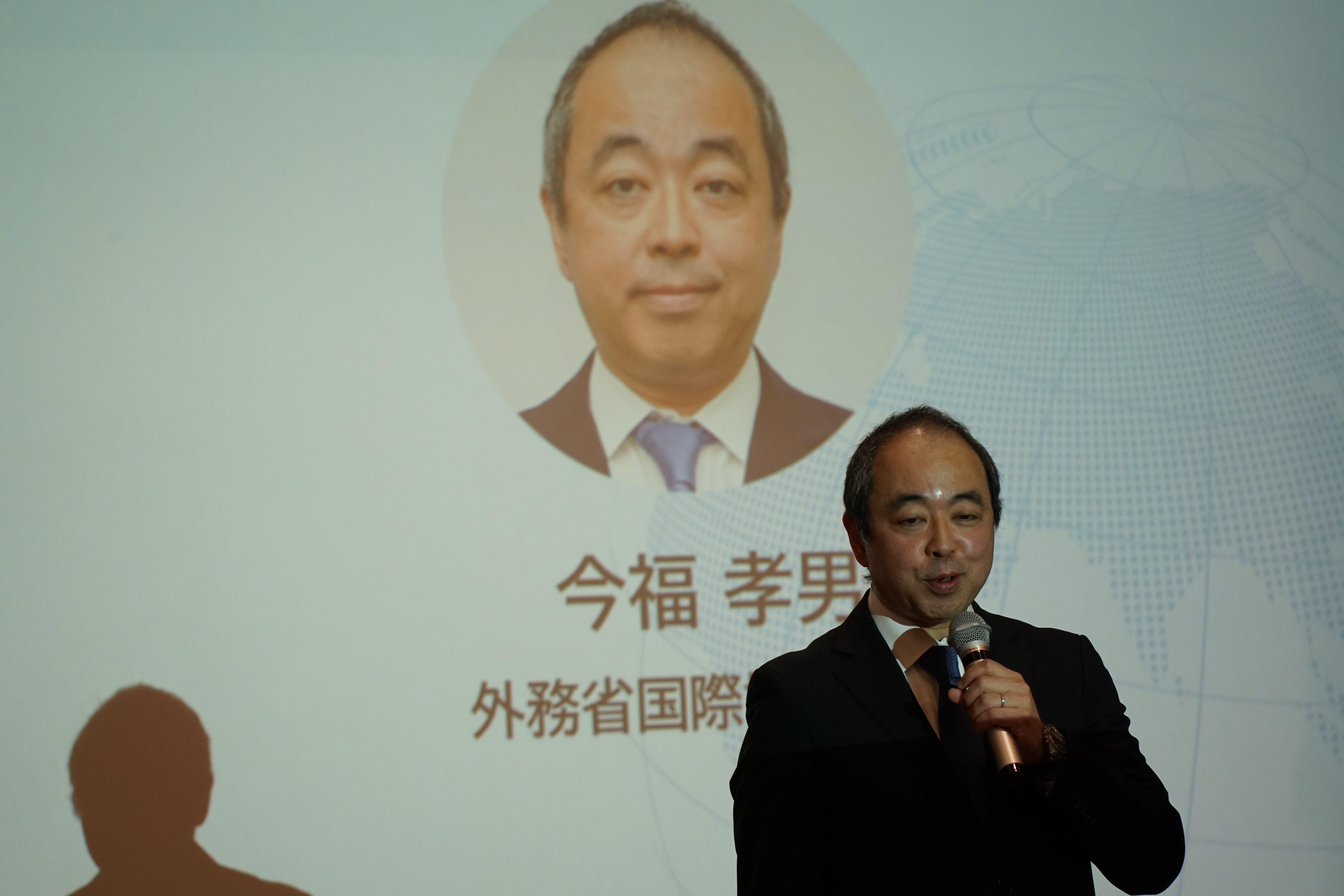
This was followed by a video message from Sir Nick Hurd, GSG Impact & Impact Taskforce Chair, who highlighted that the partnership is contributing to the expansion of impact investing in Africa and improving SMEs’ access to finance. Mr. Takao Imafuku, Director-General of the International Cooperation Bureau at the Ministry of Foreign Affairs of Japan, also emphasized the importance of ODA functioning as a catalyst for private capital and the need to flexibly evolve the framework of international cooperation.
In the first session, under the theme “Promoting Impact Investing and Public-Private Collaboration in the Global South,” practitioners from Japan’s policy, finance, and investment sectors discussed structural challenges and institutional responses for expanding investment. In particular, the need for mechanisms that enable investment such as appropriate risk segmentation and evaluation, and the role of public capital in credit enhancement was emphasized.
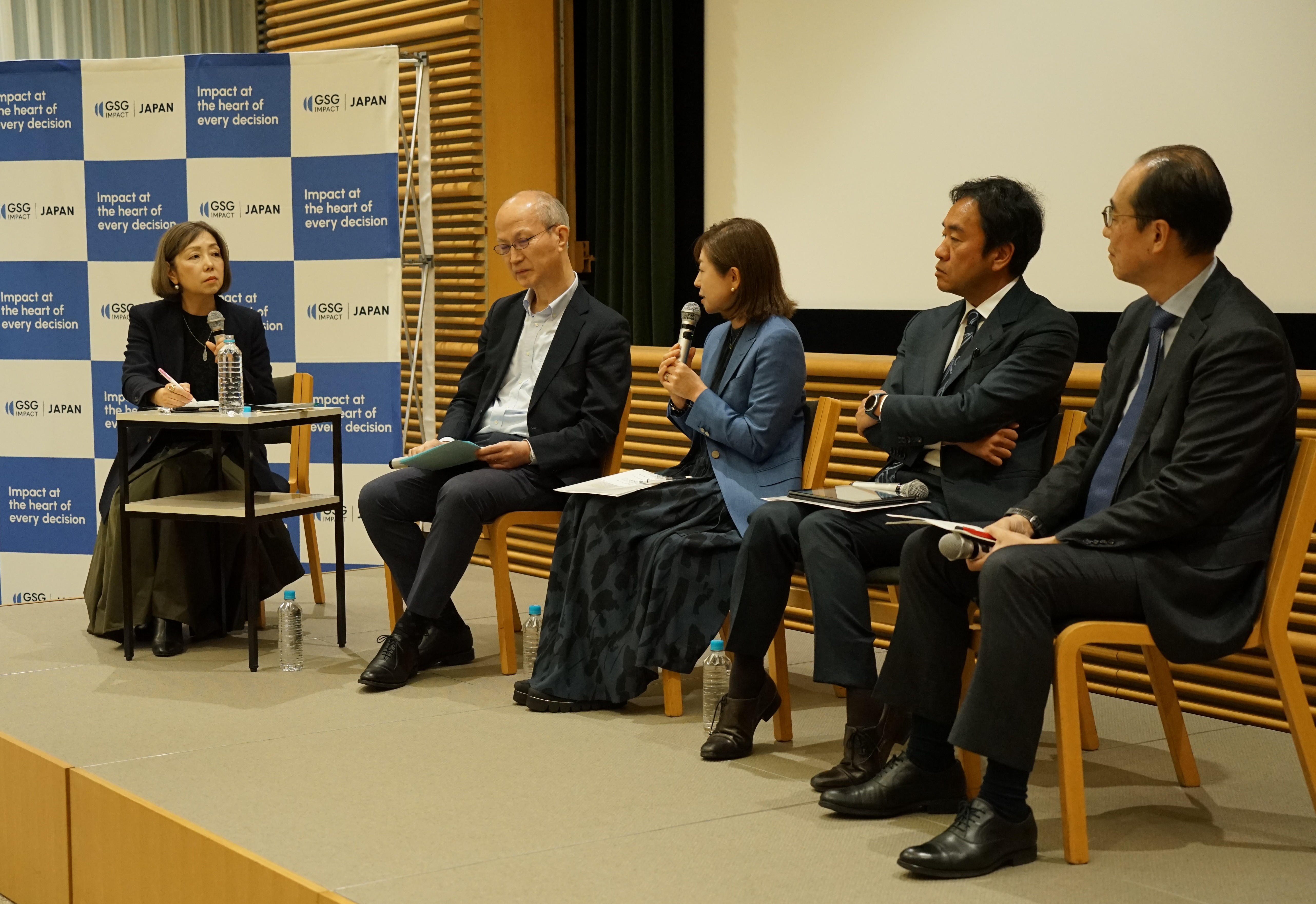
In the second session, under the theme “Latest Developments in Promoting Public-Private Impact Investing in Africa,” discussions focused on local initiatives and investment environments. The shift from aid to investment and business, rising expectations for Japanese companies, and the importance of phased engagement through funds and market creation were highlighted.
In closing, Mr. Masataka Uo(Masa), GSG Impact Ambassador, Vice Chair of GSG Impact JAPAN, and CEO of the Japan Fundraising Association, emphasized that trust is the starting point of public-private collaboration and highlighted the importance of continued partnership.
The forum served not only as a platform for policy discussion but also as a catalyst for building relationships and engaging in dialogue toward future collaboration.
■ Key Takeaways from the Forum
Through the forum, the following three key perspectives for future capital mobilization were shared:
First, there has been progress in institutional development. Following the amendment of the JICA Act, institutional foundations are being established for public funds to play a risk-sharing role and attract private capital.
Second, the challenge lies not in a shortage of capital, but in “risk perception and information gaps”. Particularly in Africa, business risks and country risks are not sufficiently distinguished and structured, which creates barriers to investment decisions.
Third, what is needed is the development of investment markets. Designing the entire ecosystem—including regulatory frameworks, deal pipeline development, investor development, and impact measurement and management—is a prerequisite for scaling investment.
Based on these points, it was recognized that investment in the Global South is not constrained by a lack of opportunities, but rather shaped by how connections and structures are designed.
■ Future Outlook
The forum reaffirmed that expanding impact investing in the Global South, particularly in Africa, requires not only capital itself but also foundational elements such as institutions, knowledge, networks, and trust.
The initiatives advanced under the partnership with the Ministry of Foreign Affairs are steadily building this foundation. Moving forward, it is expected that the dialogue and relationships established through these efforts will lead to concrete co-investing opportunities and project development.
関連記事VIEW MORE

- リソース
- Building Impact Investing Ecosystems in Africa through a Japan-led Partnership